The Streaming Illusion: Why Independence Beats Exposure
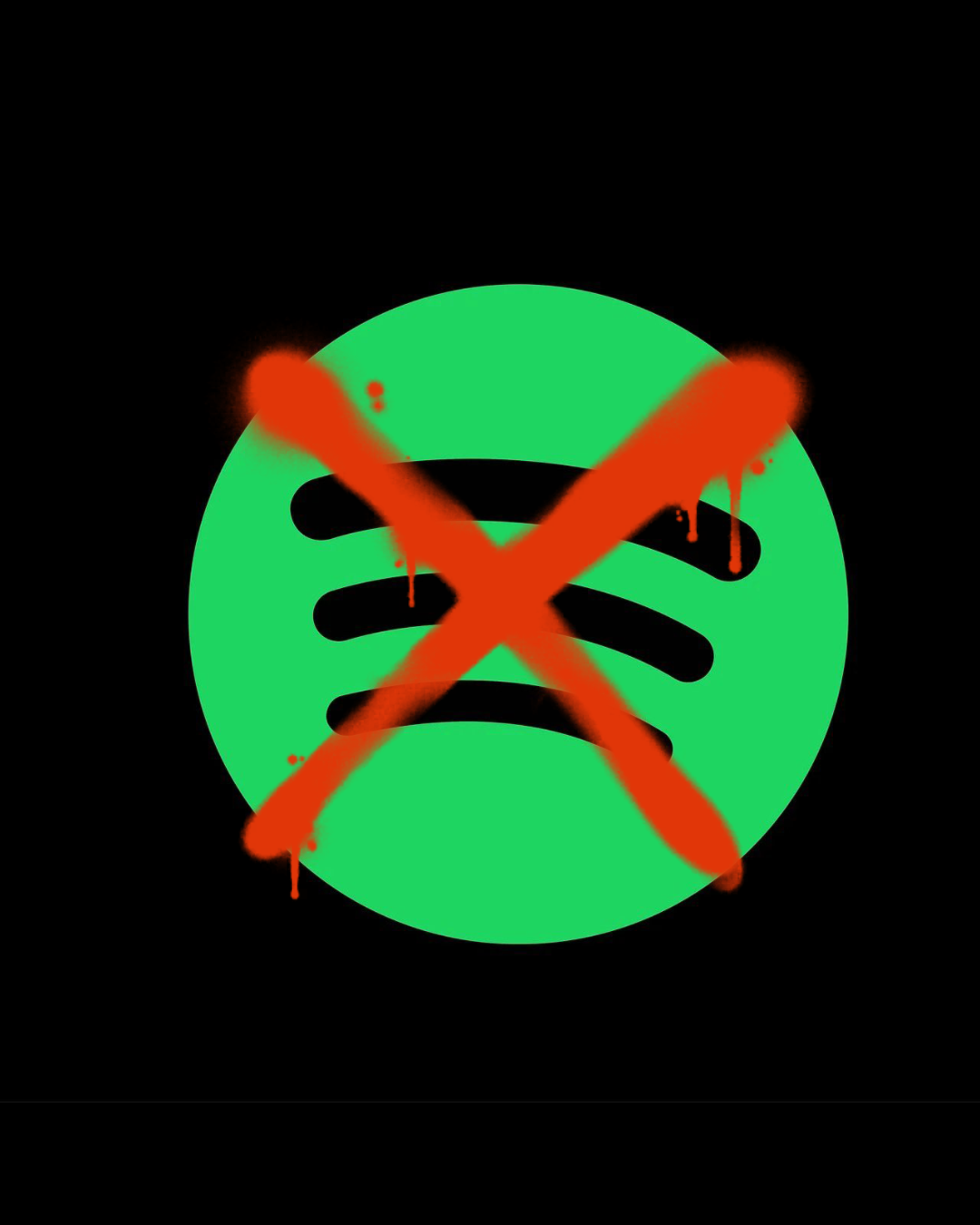
For years, Spotify sold itself as the great equalizer — a platform that gave independent musicians the same reach as the majors. But by 2025, that dream has faded. What’s left is a system designed to maximize profit for corporations, shareholders, and algorithms — while the artists who fuel the entire ecosystem get crumbs.
Recent policy changes, AI expansion, and royalty rules have pushed the relationship between Spotify and creators past the breaking point. If you value your craft, your rights, and your connection with fans, here’s why it might be time to cut ties with Spotify for good.
1. The AI Invasion Is Out of Control
Spotify’s library is now overflowing with AI-generated “artists” and synthetic music. These tracks copy popular genres and even imitate real musicians’ styles. As bots flood the system, real artists are losing visibility — replaced by machine-made tracks that cost Spotify nothing and generate endless streams.
2. Your Music May Be Training Spotify’s Algorithms
Under Spotify’s updated terms, your music and user engagement data can be used to develop and train the company’s internal AI tools. That means your creativity fuels the same artificial systems that could soon imitate your sound — without permission, credit, or compensation.
3. You Surrender Control Over Remixes and Manipulation
The platform’s licensing language gives Spotify broad rights to “adapt” and “modify” music for features like AI DJ transitions and remix integrations. Once your track is uploaded, you lose say in how it’s altered, reused, or even recombined — potentially reshaping your art in ways you never approved.
4. The New Royalty Threshold Punishes Small Artists
As of 2025, tracks need at least 1,000 streams per year to qualify for royalty payouts. Anything under that earns zero. That policy wipes out earnings for thousands of independent musicians whose audiences are still growing — turning fair compensation into a popularity contest.
5. Your Unpaid Streams Feed the Top Artists
Money from low-performing songs doesn’t just disappear. It’s redirected into the royalty pool for the platform’s biggest earners — meaning your streams literally help fund the superstars who already dominate the charts. It’s a redistribution of wealth from indie creators to major-label powerhouses.
6. Terms and Definitions Keep Changing
Spotify’s policies shift frequently: what’s considered “artificial streaming,” “noise,” or “AI-assisted” can change overnight. Each update comes with new risks of demonetization or removal, leaving artists unsure how long their music will even stay online — or how much they’ll earn.
7. Exploitation Disguised as Exposure
Spotify’s payouts remain abysmally low, averaging less than half a cent per stream. After distributor and label cuts, most artists make pennies — while Spotify’s executives and investors pocket millions. “Exposure” doesn’t pay studio bills, and “streams” don’t equal sustainability.
8. Shareholders, Not Songwriters, Run the Show
As a publicly traded corporation, Spotify’s primary mission is to increase profits, not protect artists. Every new feature, from AI tools to monetization rules, is designed to please investors — not creators. The company has proven time and again that music is a business asset, not an art form.
9. The Cultural Value of Music Is Collapsing
Streaming has reduced music to an endless background feed — quick, disposable, and undervalued. The flood of AI content makes that worse. Instead of art being appreciated, it’s now treated like digital wallpaper, consumed passively and forgotten instantly.
10. There Are Better Paths to Independence
You don’t need Spotify to reach listeners anymore. Platforms like Bandcamp, Audiomack, Scrybe Streaming and your own website allow you to sell directly, build your fanbase, and keep control of your data and income. Every artist who leaves Spotify strengthens the independent ecosystem that truly values creativity.
Final Thoughts: Time to Reclaim Control
Spotify’s recent shifts have made one thing clear — the platform is built to serve algorithms, not artists. When a company can remix your work, use it to train AI, and deny royalties for smaller streams, it’s no longer a partnership — it’s exploitation disguised as opportunity.
Leaving Spotify isn’t quitting — it’s evolving.
Take your art where it’s respected, where you can connect directly with fans, and where your music still means something.
Because your sound deserves more than fractions of a cent and a place in an AI playlist.
The views expressed in this article are solely those of the author and do not necessarily represent the views of this website, its affiliates, or contributors. This content is for informational purposes only and should not be taken as financial or legal advice.
Add comment